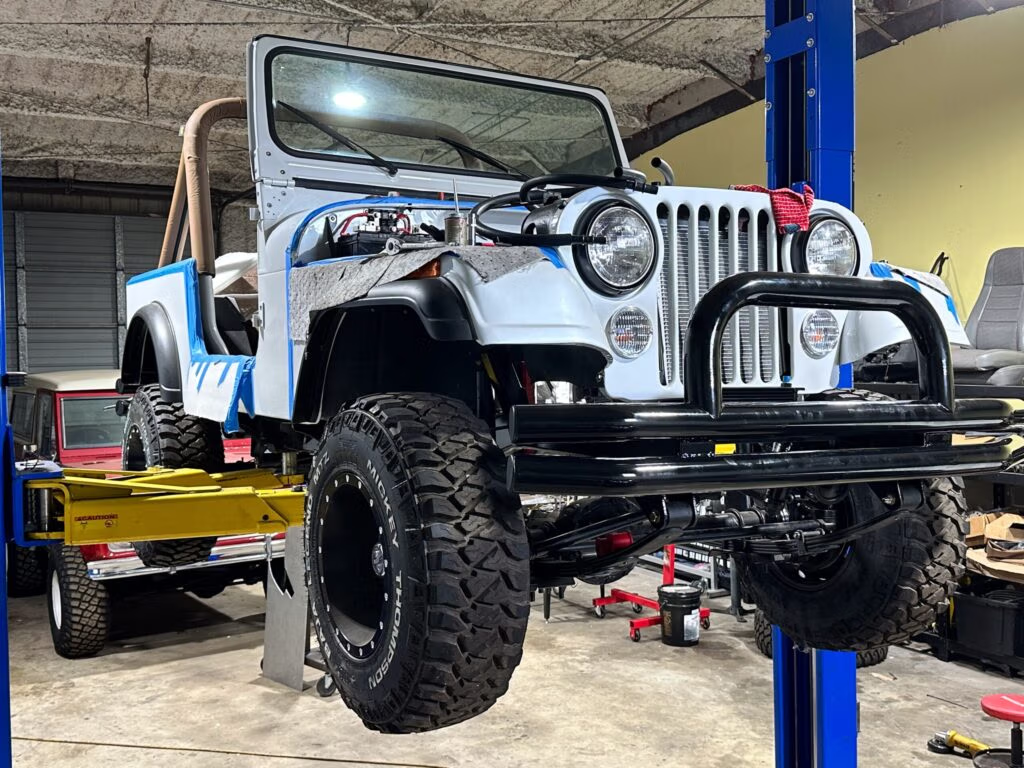
A Complete Vehicle Maintenance Schedule Guide
If you’ve ever wondered, ‘How often should you service your car?’ you’re not alone. Regular maintenance is essential for keeping your vehicle safe, reliable, and running efficiently. Following a proper vehicle maintenance schedule can help prevent costly repairs, improve fuel economy, and extend the life of your vehicle.
Whether you drive every day or only occasionally, understanding recommended car service intervals is a key part of responsible vehicle ownership.
Why Routine Vehicle Maintenance Matters
Routine vehicle maintenance is more than just changing the oil. A comprehensive maintenance plan helps identify potential issues before they become major problems. By staying on top of your vehicle’s service needs, you can:
- Improve vehicle safety
- Increase fuel efficiency
- Reduce repair costs
- Prevent unexpected breakdowns
- Extend engine life
- Maintain resale value
Following a consistent vehicle maintenance schedule is one of the best investments you can make in your vehicle’s long-term performance.
How Often Should You Service Your Car?
The answer depends on the manufacturer’s recommendations for your vehicle, your driving habits, and operating conditions. Most modern vehicles require routine vehicle maintenance every 5,000 to 10,000 miles, but it’s always best to consult your owner’s manual for the exact schedule.
Manufacturers create maintenance schedules based on extensive testing to ensure your vehicle performs at its best throughout its lifespan.
Recommended Vehicle Maintenance Schedule
Every 5,000–7,500 Miles
These are some of the most common car maintenance services recommended during regular service visits:
- Change engine oil and oil filter (if required)
- Rotate tires
- Inspect brakes
- Check fluid levels
- Inspect belts and hoses
- Check tire pressure
These basic services form the foundation of effective preventive maintenance maintenance.
Every 15,000–30,000 Miles
As your vehicle accumulates mileage, additional maintenance becomes necessary:
- Replace engine air filter
- Replace cabin air filter
- Inspect battery condition
- Check steering and suspension components
- Inspect exhaust system
These services help maintain vehicle performance and improve overall driving comfort.
Every 30,000–60,000 Miles
At this stage, more comprehensive maintenance may be required:
- Replace transmission fluid (if recommended)
- Service brake fluid
- Inspect cooling system
- Replace spark plugs (depending on manufacturer specifications)
- Check drive belts
Following these recommended car service intervals can help avoid expensive repairs down the road.
Every 60,000–100,000 Miles
Major maintenance items may include:
- Timing belt replacement (if equipped)
- Cooling system service
- Fuel system inspection
- Suspension component replacement
- Comprehensive vehicle inspection
This level of routine vehicle maintenance helps ensure your vehicle remains dependable for years to come.
Driving Conditions That May Require More Frequent Service
Not all drivers use their vehicles under the same conditions. Some situations may require shorter car service intervals than those listed in your owner’s manual.
Frequent Stop-and-Go Traffic
Heavy city driving places additional stress on your engine, transmission, and brakes.
Extreme Weather Conditions
Hot summers and cold winters can impact fluids, batteries, tires, and engine performance.
Towing and Heavy Loads
Vehicles used for towing or hauling often require more frequent inspections and fluid changes.
Short Trips
Repeated short trips can increase engine wear because the engine may not reach optimal operating temperature.
In these situations, your manufacturer may recommend a more aggressive vehicle maintenance schedule.
Signs Your Vehicle Needs Service
Even if you’re following recommended car service intervals, watch for these warning signs:
- Dashboard warning lights
- Unusual engine noises
- Reduced fuel economy
- Vehicle vibrations
- Difficulty starting
- Fluid leaks
- Brake squealing or grinding
Ignoring these symptoms can lead to larger and more expensive repairs.
Best Car Maintenance Tips for Vehicle Owners
In addition to professional service appointments, these simple car maintenance tips can help keep your vehicle in excellent condition:
- Check tire pressure monthly
- Monitor fluid levels regularly
- Replace windshield wipers when worn
- Keep your vehicle clean inside and out
- Pay attention to warning lights
- Schedule service before problems become serious
Practicing proactive preventive maintenance can save money and improve vehicle reliability.
Final Thoughts
So, how often should you service your car? While most vehicles benefit from service every 5,000 to 10,000 miles, the ideal vehicle maintenance schedule depends on your specific vehicle and driving conditions.
Staying consistent with routine vehicle maintenance and following recommended car service intervals will help keep your vehicle safe, efficient, and reliable. Whether you’re driving across town or across the country, regular maintenance is the key to protecting your investment and avoiding costly repairs.
If you’re unsure when your vehicle is due for service, consult your owner’s manual or speak with a qualified automotive technician. A proactive approach to vehicle maintenance today can help you avoid major problems tomorrow.